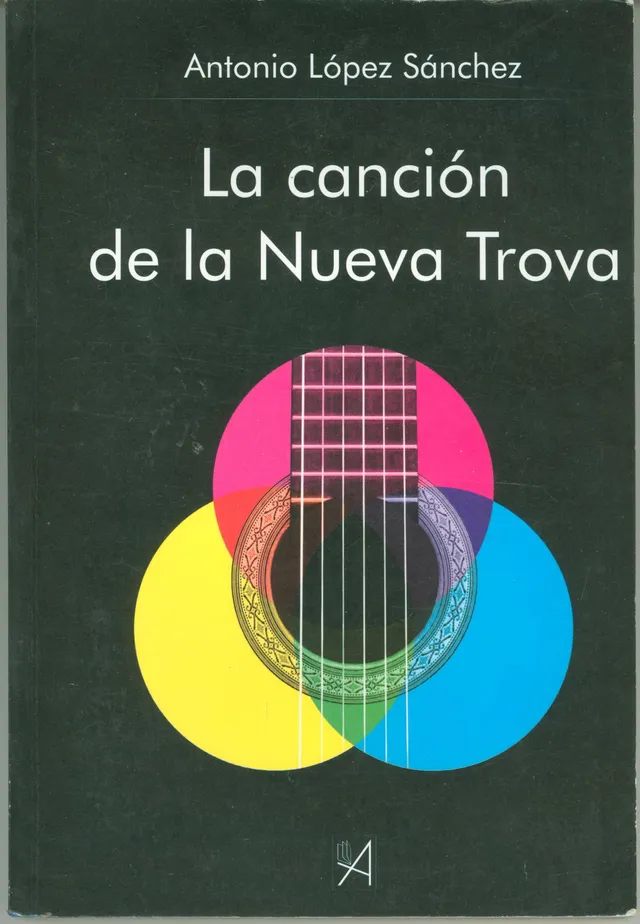
La canción de la Nueva Trova
The unrepeatable memory of a first book. Essays and interviews on how the Cuban Nueva Trova was born and where it went.
Fourteen published books, in the order that makes sense from outside Cuba.
Titles are kept in their original Spanish, with their meaning in brackets. Every page carries the synopsis, the author's own note on the book, excerpts in Spanish, and full details for publishers.
The unrepeatable memory of a first book. Essays and interviews on how the Cuban Nueva Trova was born and where it went.
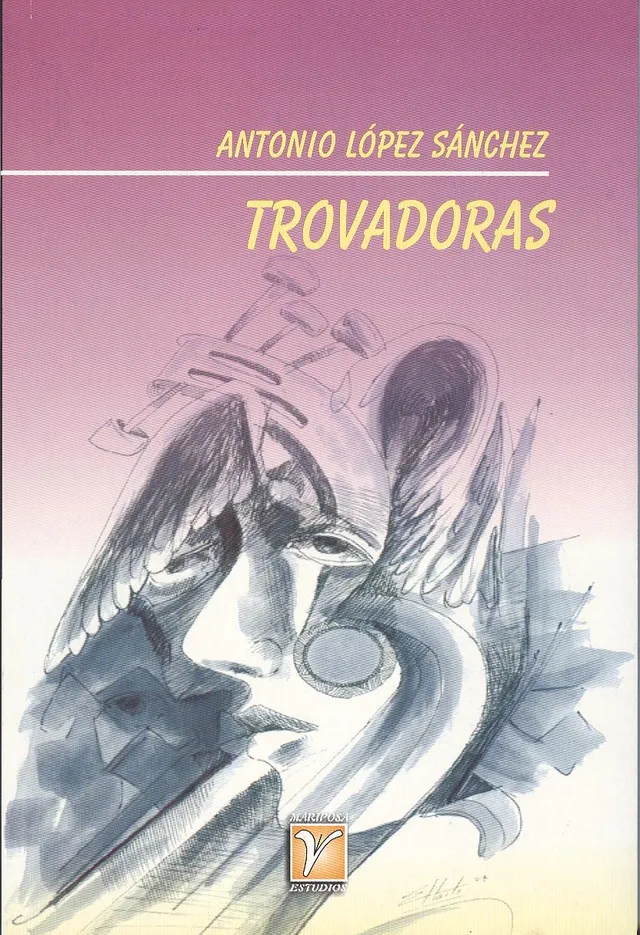
Interviews and guitars again, this time in women's voices alone. With Dr Isabel Moya Richard and the musicographer Lino Betancourt, gender studies and the history of the trova bring their expertise to these pages.
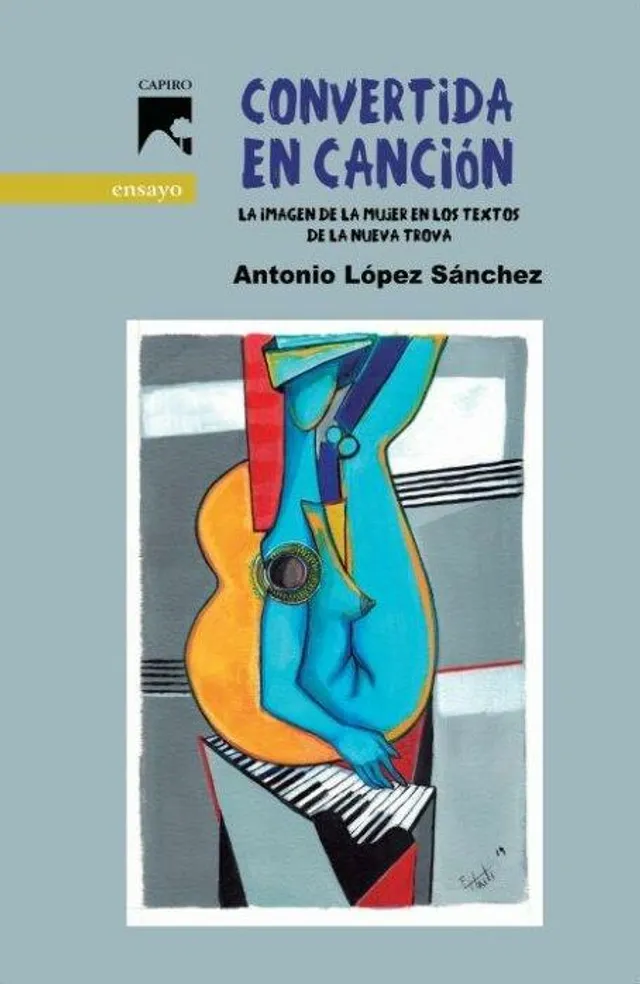
Which woman are Cuban troubadours singing to? An essay on the woman who inhabits the lyrics of the Nueva Trova.
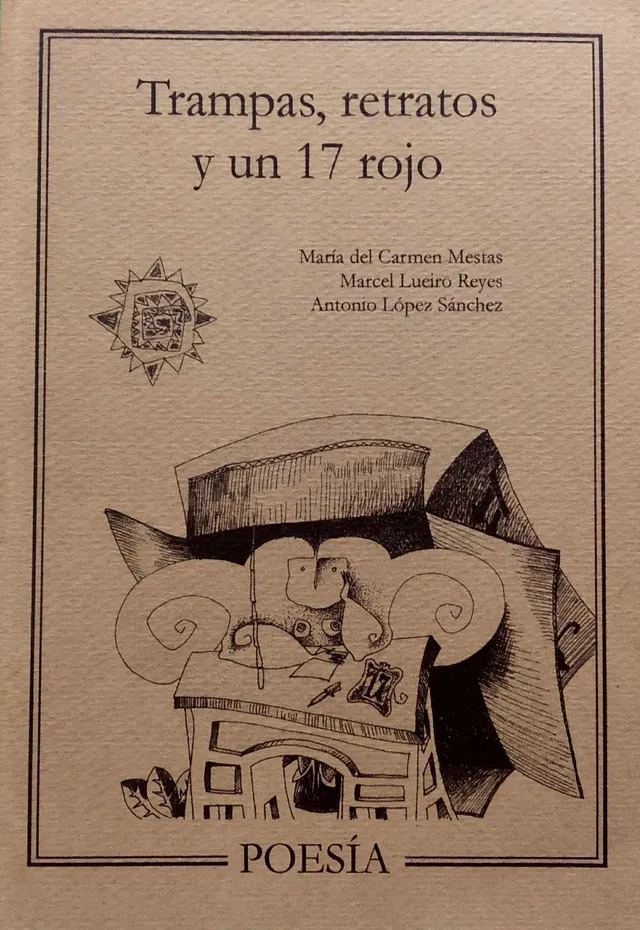
Three poets, three forms: free verse by María del Carmen Mestas, haiku by Marcel Lueiro, and a sequence of erotic décimas by the author, Retratos de mañana. His only poetry collection to date.
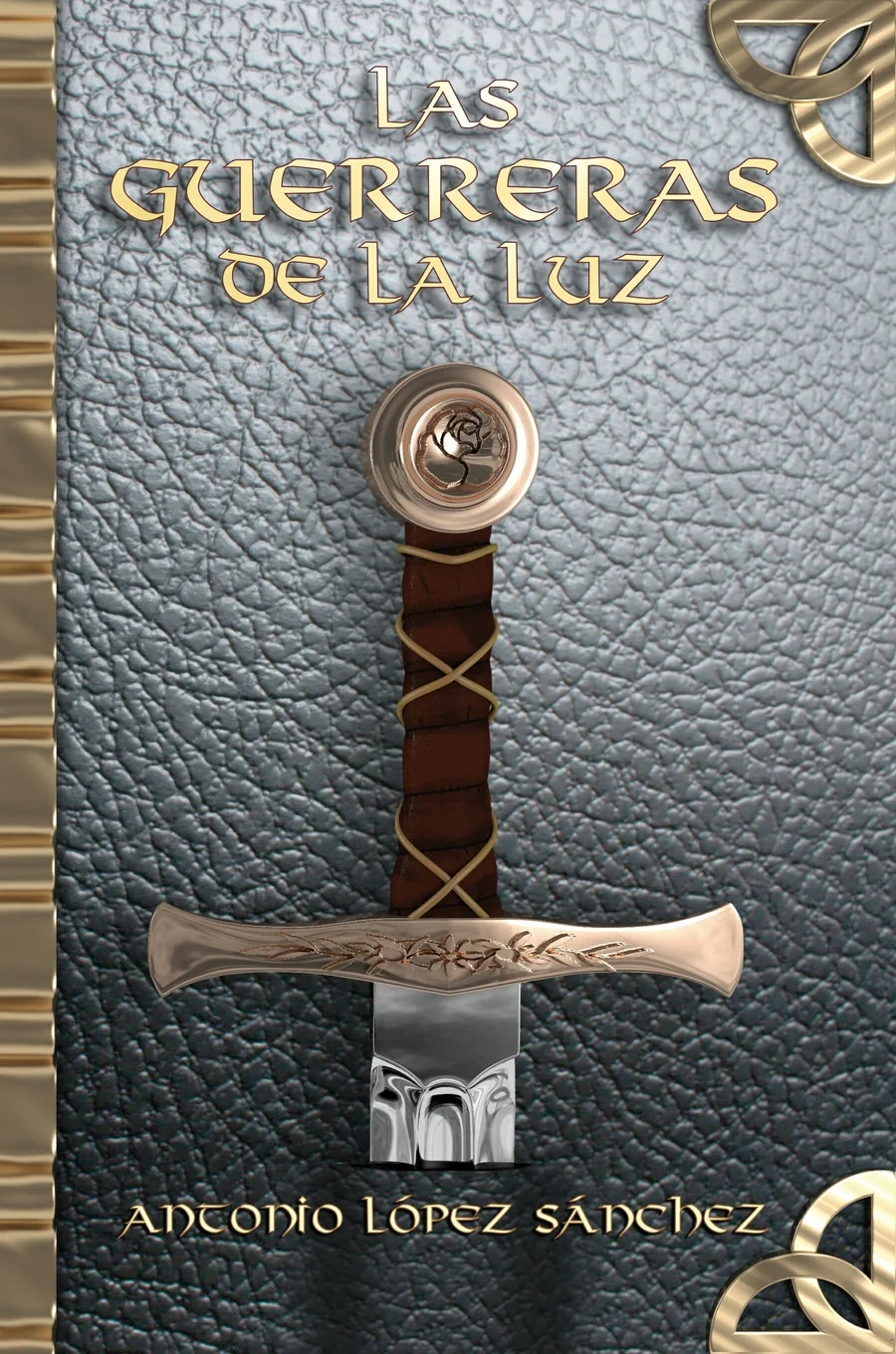
A sorcerer from the far reaches of darkness tries to halt all life on a quiet island. A girl, Aria Musa, her friends and a magical hummingbird raise an army to fight him. The author's first novel.
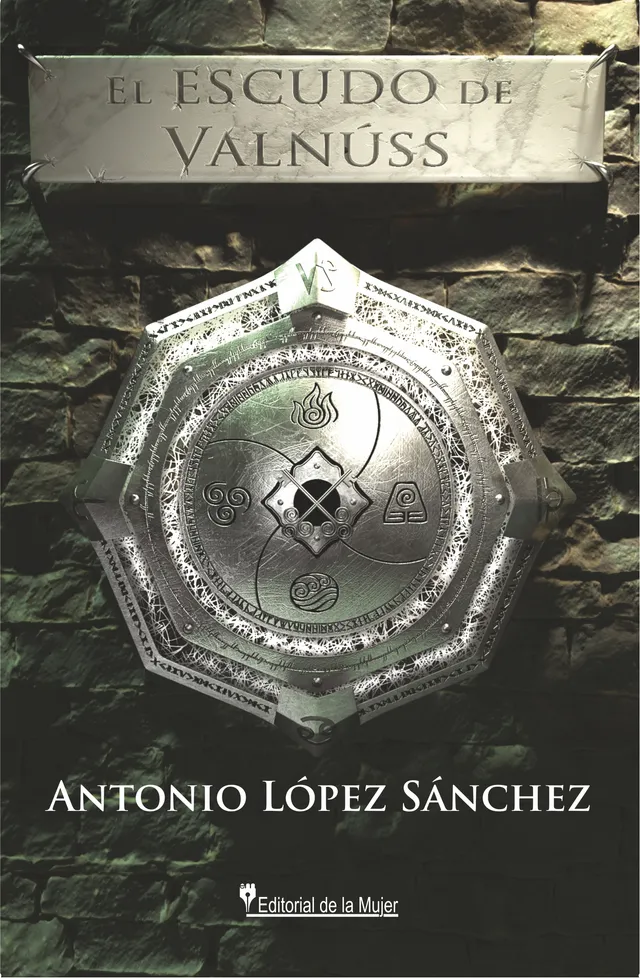
A sorceress, an undersea warrior, an enchanted steed and a corsair join forces against a sorcerer who has sown chaos in their worlds. Five books, one novel, published as an illustrated boxed set.
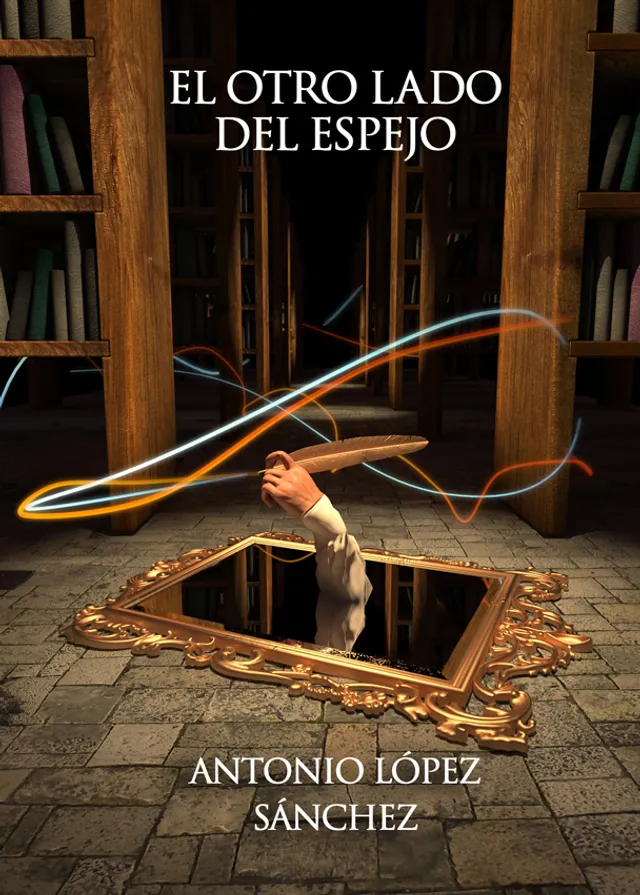
Could those who live on the other side of the mirror invade us? One of the last wizards of the Library travels across times and magical dimensions to save his love. Heroic fantasy in homage to Borges.
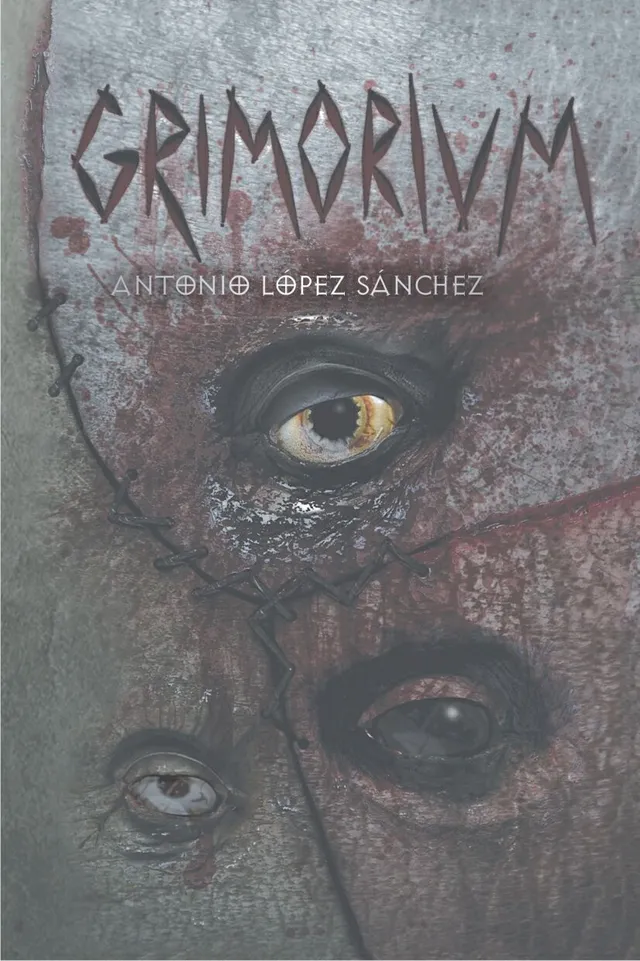
Three parallel stories, set in different times, whose protagonists pursue the same forbidden book and its ancient, terrifying mystery. Horror built on atmosphere, in homage to Lovecraft.
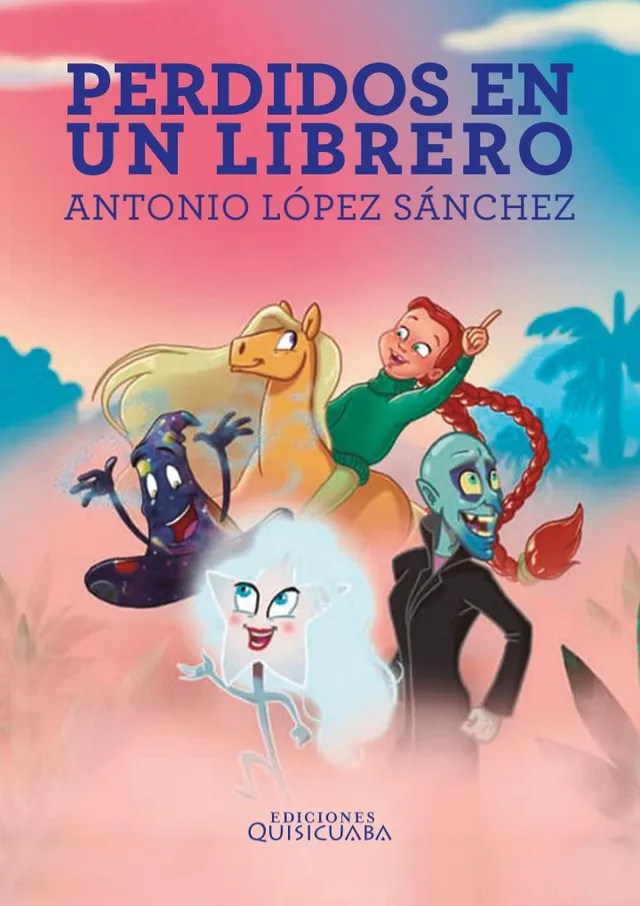
A wizard's hat, a fairy's wand, a horse, a doll and a scientist zombie get lost inside the books of a magic bookcase, and end up in the pages of Cuban mythology. The author's newest book.
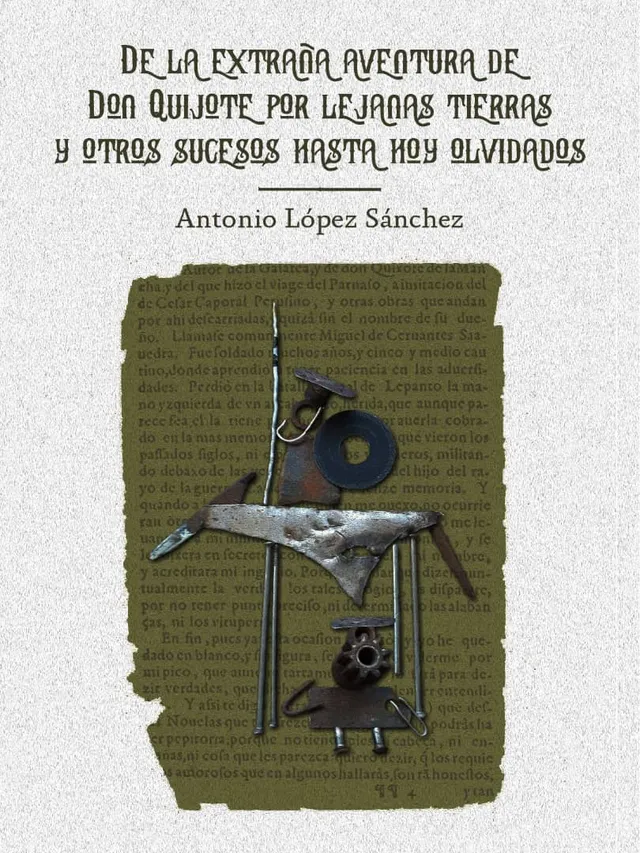
Swept up by a gale at the windmills of chapter eight, Don Quixote and Sancho Panza land in a Caribbean capital in the 1990s, where a young poet takes them in. The jury that awarded it included Leonardo Padura. Free to read in Spanish.
Anthologies and shared volumes that include texts by the author. Rights offered here cover only what he wrote, never the complete volume.
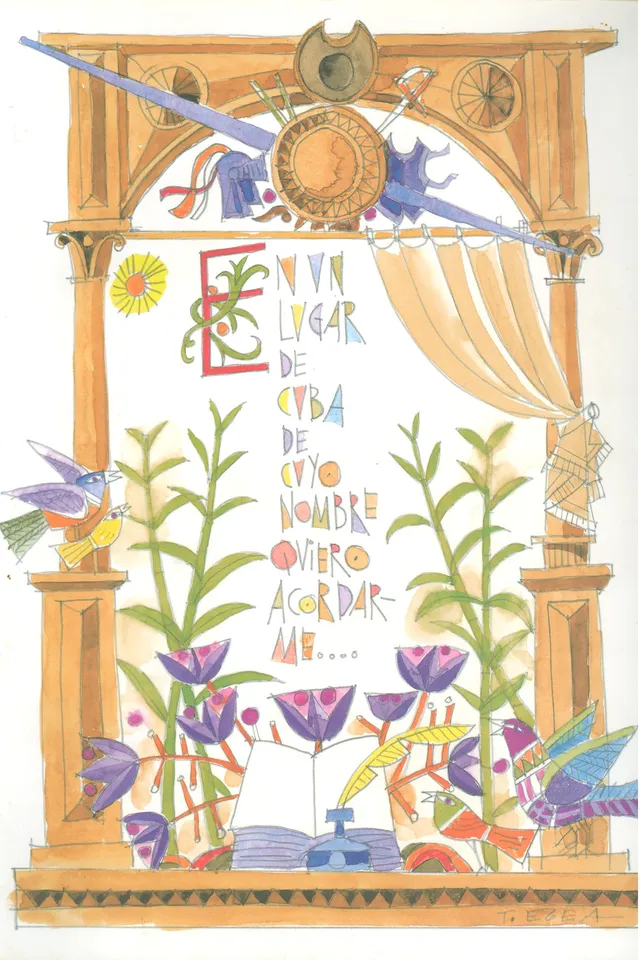
The anthology of the competition held for the four hundredth anniversary of Don Quixote, published in Spain, where the author won first prize from a jury that included Leonardo Padura.
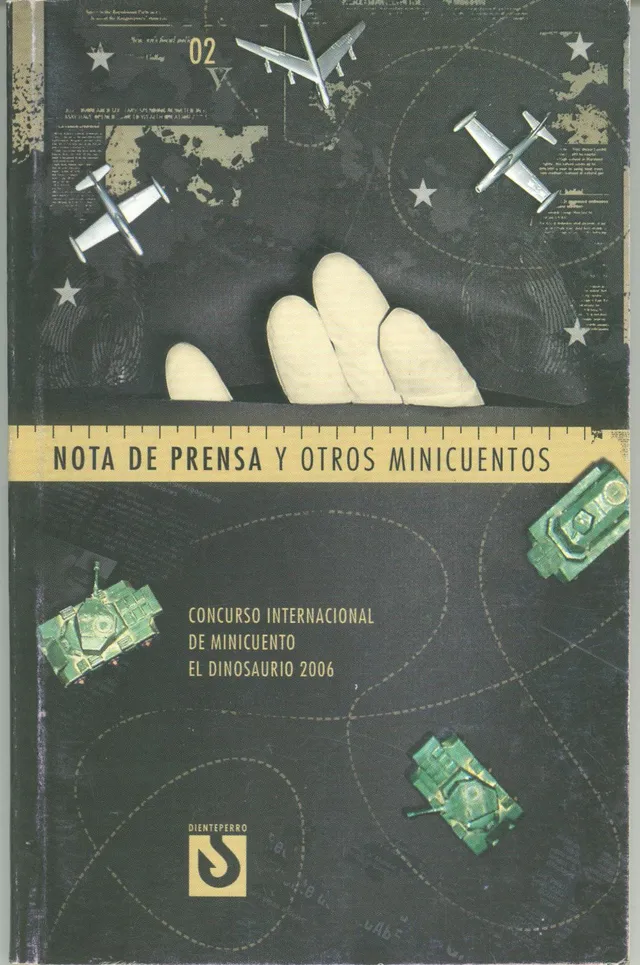
Flash fiction from the El Dinosaurio competition, which in 2006 drew 1,212 entries from Cuba and abroad, as far as Australia. It includes the author's Sin segundas partes.
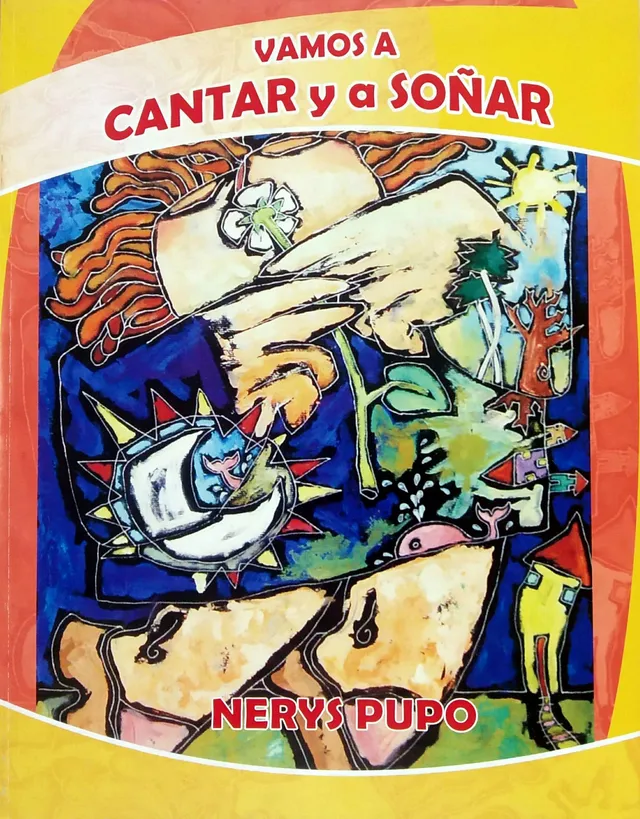
Texts, songs, games and poems for children, compiled by Nerys Pupo. Three poems by the author, one of which later gave birth to two characters of his children's books.
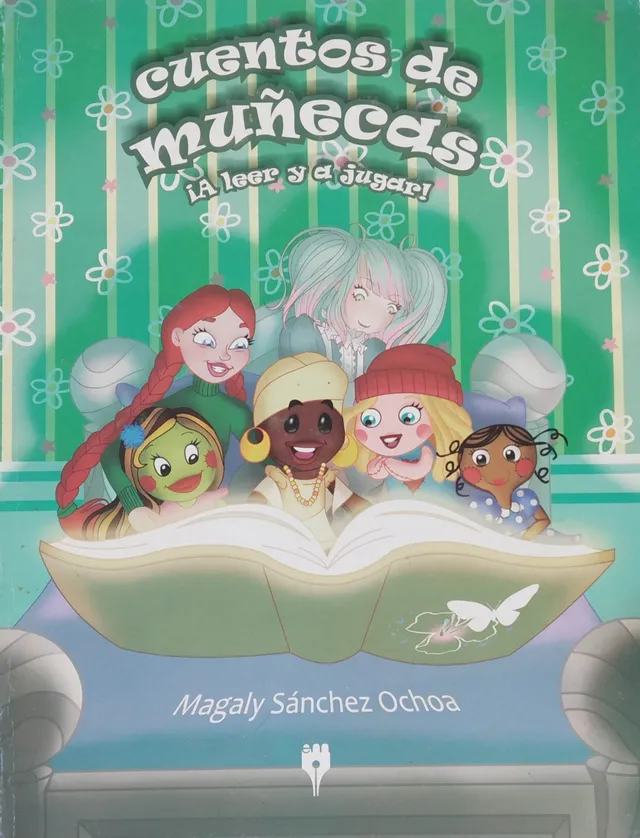
Stories and poems for children with dolls as their protagonists, compiled by Magaly Sánchez Ochoa. The author's first children's story, which gave birth to the characters of his later books.
Four novels that have not yet found a publisher: a single day in the life of a journalist, a woman's bedside diaries, a Gothic horror story and a fantasy prequel to El otro lado del espejo. Each has its synopsis, excerpts in Spanish and the author's own note.
See the unpublished novelsThese books have gone out into the street: book fairs, signing tables, queues and booksellers. There is a story there too.
See the photographsWorld rights for editions and translations are available outside Cuba, where the author's publishers keep their exclusivity. Full manuscripts and synopses are available on request.